
A Year of Using AI While Building a Real Business
What I learned using AI every week while building a bakery. Practical lessons on branding, images, writing, agents, and focus.

I made predictions at the beginning of the year. You can read them and decide if they aged well. I am not writing new ones. This year taught me that theory matters less than what actually survives contact with reality, especially when you are building something real, with customers, constraints, and deadlines.
What follows is not a forecast. It is a field report from a year of building a bakery while using AI every single week.
Branding: $100, AI, and a real brand
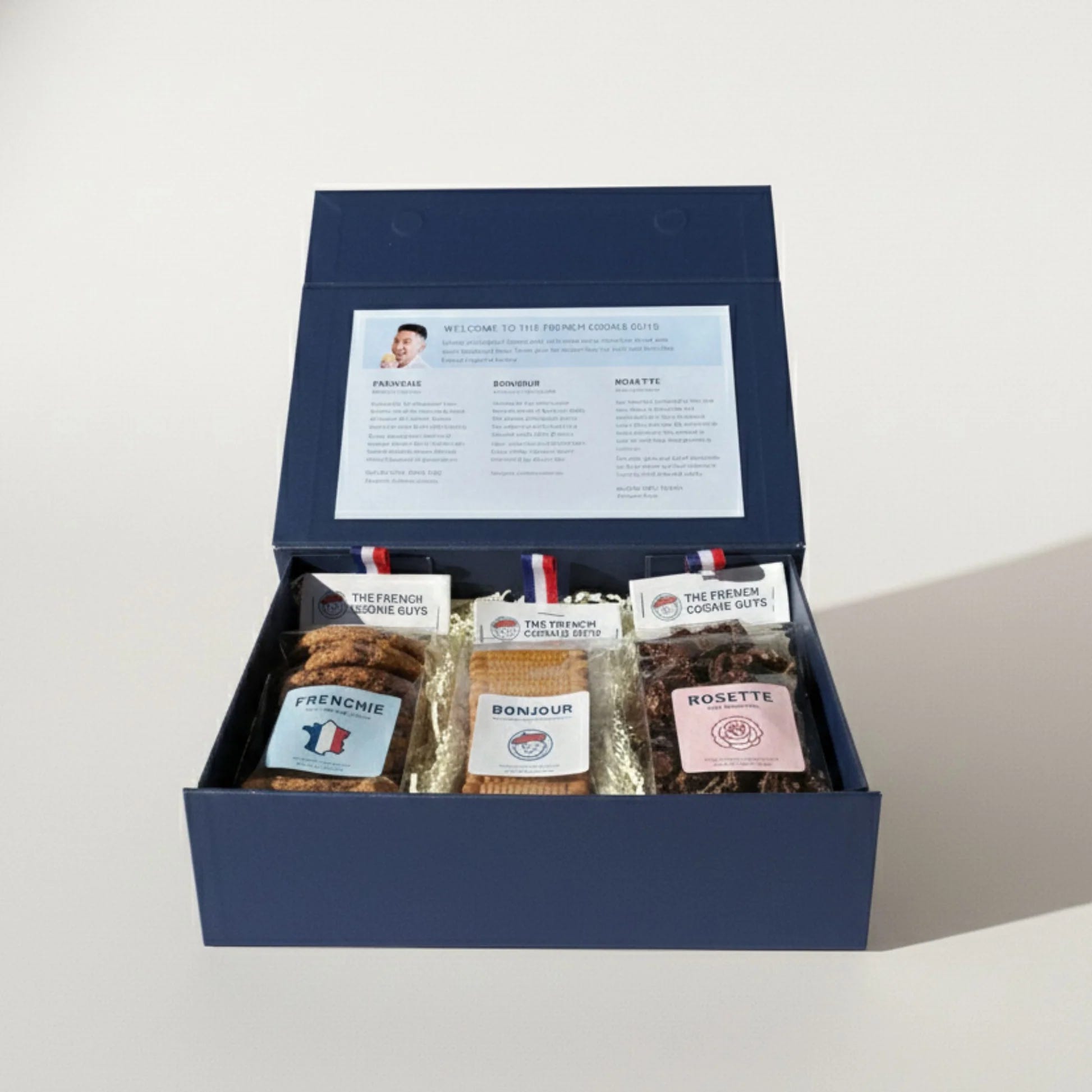
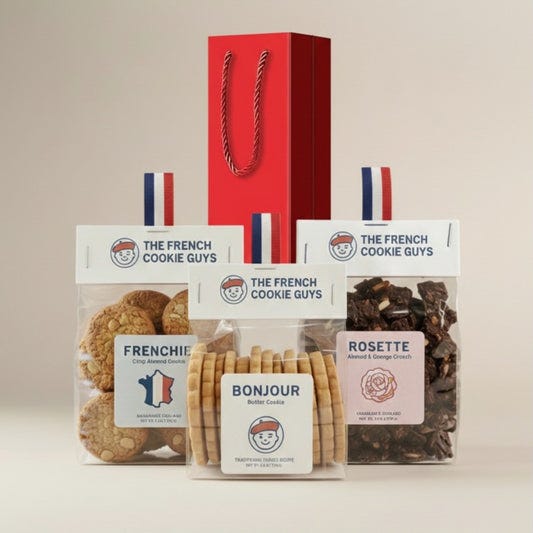
The highest leverage investment I made this year was a $100 Brand With AI course from Andrew Lane, creator of Design Hacker. It is a system to go from mood board to usable brand assets. I used it to build the v1 branding of The French Cookie Guys. Most visuals on the site are AI generated. Same for the Christmas gift launch.
What mattered was not the tools. It was the process. Taste became explicit. Decisions became faster. AI filled the execution gap. For a solo founder with limited cash but strong opinions, this is an unfair advantage.
Takeaway: AI does not replace design skill. It rewards founders who turn taste into a system.
Images: from impossible to trivial
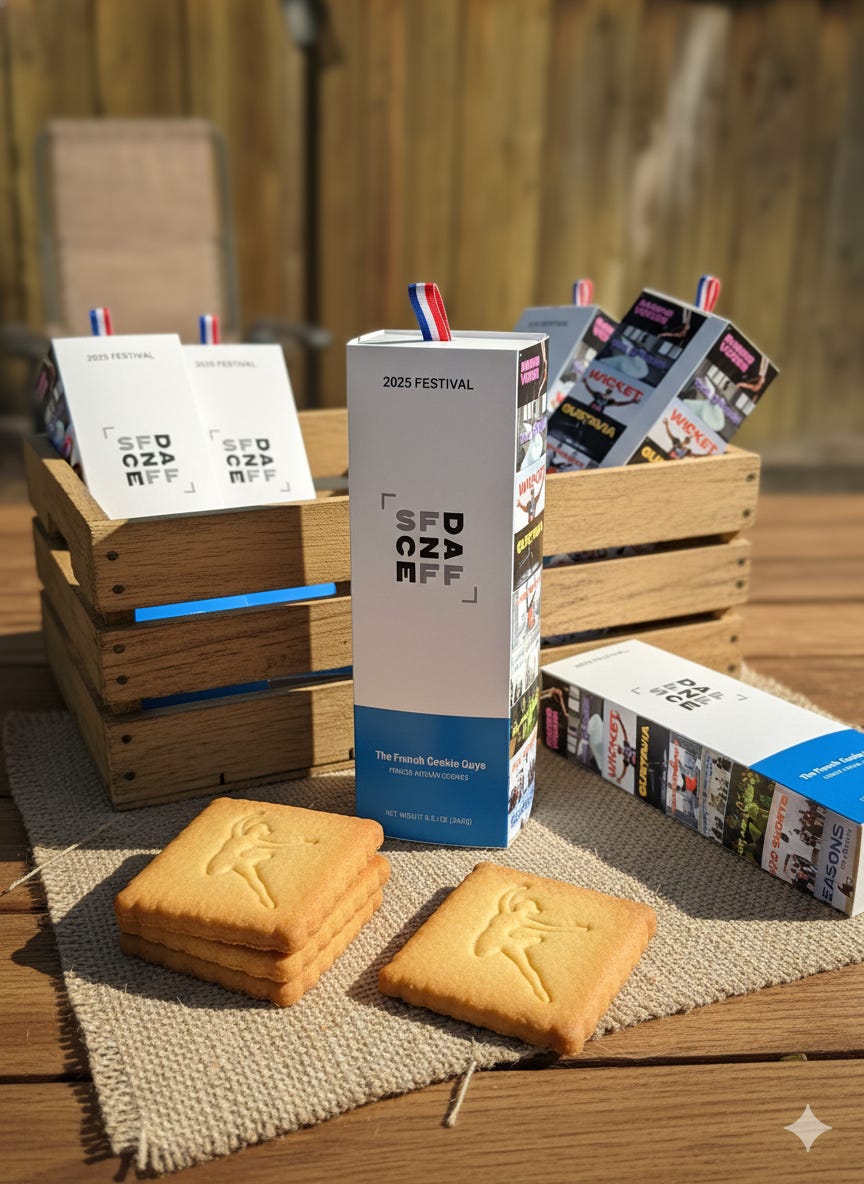
At the end of last year, I had spent roughly 50 hours trying to generate a realistic image of an embossed cookie. I tried DALL·E, Leonardo AI, Krea, everything. I became good at prompting and meta prompting. It still did not work.
Six months later, the problem disappeared. Starting from a simple iPhone photo, I can now reliably generate clean, beautiful visuals, compose scenes, and add elements using a mix of ChatGPT and Google image tools. Same goal. Completely different outcome.
Takeaway: AI progress is violent. If your startup is built on one fragile capability, assume it can vanish overnight.
Writing: AI as a voice amplifier
I used ChatGPT all year for writing: Substack articles, newsletters for The French Cookie Guys, internal docs. The quality improved steadily, but the real unlock was structure: projects, instructions, and knowledge files.
I now mostly talk instead of typing. My voice still sounds like me. AI helps me shape it, not replace it.
Takeaway: If your voice is clear, AI scales it. If it is not, AI exposes it.
Thinking: when AI stopped agreeing
The first half of the year was hit or miss. Long conversations lost context. Pushback was weak. It often agreed too easily. That changed in the last few months.
Today, I use ChatGPT as a sparring partner. It reminds me of constraints. It challenges assumptions. I used it to pressure test my V2MOM and strategy for next year. The pushback was relentless and useful.
Takeaway: AI becomes strategic only when it can say no.
Search and research: good enough wins
I barely use Google Search anymore. ChatGPT is good enough for most things. Supplier research and pricing are still weak, and links are often missing, but that is fine.
Search is not where I get leverage. Judgment is.
Takeaway: Use AI where thinking matters. Accept mediocrity where it does not.
Agents: boring beats impressive
I experimented with agents a lot. A custom GPT that generated message cookies. Newsletter helpers. Internal tools. The flashy ones were the hardest to ship and maintain.
What actually worked was boring: AI embedded inside workflows. A newsletter project that knows my structure and feeds Omnisend. A Make automation that turns a spreadsheet into a monthly PDF. A production planner that understands demand, recipes, constraints, and inventory.
Takeaway: AI works best inside processes, not as standalone products.
The stack decision: why I am consolidating
Over time, I am moving away from a multi tool setup and standardizing on Google’s ecosystem. Not because it is always better, but because it is simpler. One workspace. Native access to Drive, Docs, Gmail. Live knowledge. Fewer manual uploads.
Marginal model differences matter less than operational coherence.
Takeaway: Standardization beats chasing the best model every week.
What changes next year
I am now a solo founder. That changes everything. My focus next year is not more tools, but fewer, sharper ones. Small, targeted agents embedded in stable business processes so I can buy back time.
More time to build the business. More time to bake. More time on what only I can do.
That is the real promise of AI, at least for me.
This field report captures the essence of practical AI: systems over tools, and integration over isolation. The shift from a multi-tool setup to a consolidated, process-embedded stack is where real leverage is found—a principle I emphasize in The Efficiency Playbook. https://efficiencyplaybook.substack.com/
This is gold!! So excited to setup my cafe with these foundations!! Thank you Fabrice!